Generate B2B Leads Using Meta Ads? I Did It at $5-18 Per Lead
Many people say Meta ads (Facebook and Instagram) don't work for B2B because users are there for entertainment, not work. But I want to tell you: I did it, and the cost was only $5-18 per lead.
More importantly, one-fifth of these leads converted into qualified sales meetings. This means my actual customer acquisition cost was only $25-90 per meeting, which is very low in the B2B space.
Today I want to share my complete strategy, including ad creatives, landing page design, conversion processes, and how to integrate with CRM systems.
Why Do Meta Ads Work for B2B?
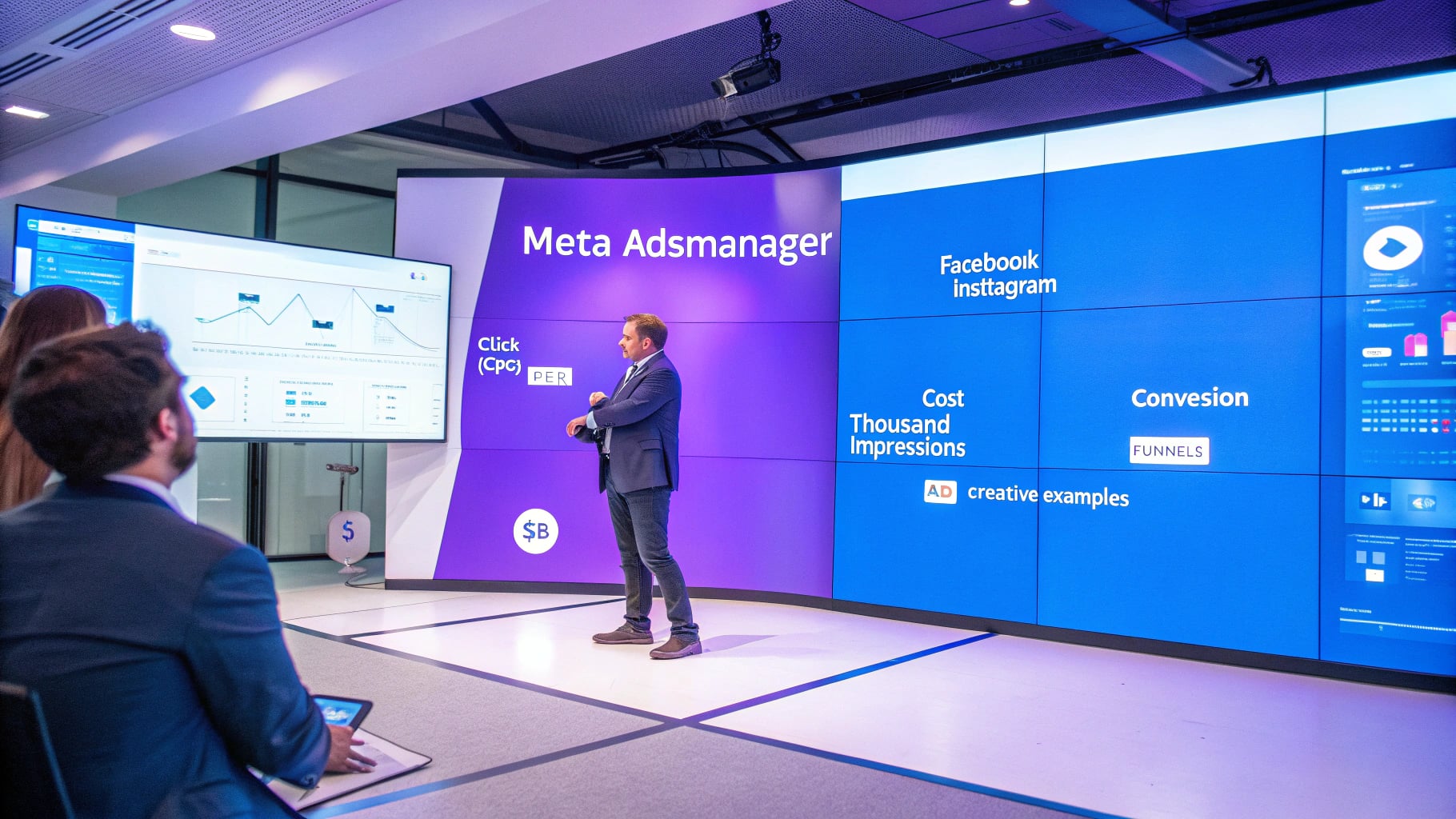
First, let me explain why Meta ads work for B2B:
- Precise Targeting: Meta's ad targeting system is very powerful, allowing targeting by job title, company size, industry, interests, and more
- Controllable Costs: Compared to LinkedIn ads, Meta ads typically have lower CPC (cost per click) and CPM (cost per thousand impressions)
- Large User Base: Facebook and Instagram have hundreds of millions of daily active users. Even if the proportion of B2B decision-makers is small, the absolute number is huge
- Visual Display: Can use videos, images, and other visual content to attract attention, more effective than pure text
The key is: you need to use the right method. Don't directly sell products, but provide value and solve pain points.
Strategy 1: Problem-Oriented Ad Creatives
This is the most critical. Your ads must directly target your audience's pain points, not directly sell products.
I've tried two approaches:
Approach 1: Direct Selling (Failed)
- Ad headline: "Our product can help you grow your business"
- Result: Low click-through rate, low conversion rate, high cost
Approach 2: Problem-Oriented (Success)
- Ad headline: "Still manually finding customer contact information? Try this automation tool"
- Result: High click-through rate, high conversion rate, low cost
What's the difference? Problem-oriented ads directly hit pain points, making the target audience think "this is exactly what I need" rather than "this is another ad".
My ad creative formula:
- Identify Pain Points: What are the most painful problems for target customers?
- Provide Solutions: Don't directly sell products, but provide value (e-books, white papers, tools, etc.)
- Clear Value Proposition: Tell them what they can get, not what features the product has
- Urgency: Limited-time offers, limited resources, etc., but not hard selling
Strategy 2: Simplified Lead Acquisition Process
A common mistake is: asking leads to fill in too much information.
I've tried two landing pages:
Approach 1: Complete Form (Failed)
- Required fields: Name, email, company, job title, phone, company size, budget, etc.
- Result: Conversion rate only 2-3%
Approach 2: Simplified Form (Success)
- Only required: Name, email
- Result: Conversion rate increased to 8-12%
Why? Because when leads fill out forms, each additional field causes some people to drop off. Especially on social media, users have short attention spans. If the form is too complex, they'll give up.
My strategy is:
- Step 1: Collect only basic information (name, email)
- Step 2: Provide value (download resources, try tools, etc.)
- Step 3: Follow up (collect more information through email, phone, etc.)
This way, you can both improve conversion rates and collect more information in follow-ups.
Strategy 3: Effective Conversion Mechanism
Acquiring leads is only the first step. How to convert them into qualified sales meetings is the key.
My conversion process:
- Immediate Confirmation: After leads fill out the form, immediately send a confirmation email and provide the promised resources
- Automated Follow-up: Set up email sequences to send valuable content over the next few days
- Scoring and Qualification: Score leads based on their behavior (opening emails, clicking links, downloading resources, etc.)
- Sales Follow-up: High-scoring leads are followed up one-on-one by the sales team to schedule meetings
The key is: don't sell products right away. First provide value, build trust, then sell.
Strategy 4: CRM Integration
To efficiently manage leads, I use CRM systems (HubSpot, Salesforce, etc.).
But the problem is: How to automatically import leads from Meta ads into CRM?
My solution:
- Use Zapier or Make: Connect Meta Lead Ads with CRM systems
- Auto-create Contacts: After leads fill out forms, automatically create contacts in CRM
- Auto-assign: Automatically assign to corresponding sales reps based on rules
- Auto-follow-up: Trigger automated email sequences
This way, the entire process is fully automated, no manual operation needed.
My Cost Structure
Let me share my actual costs:
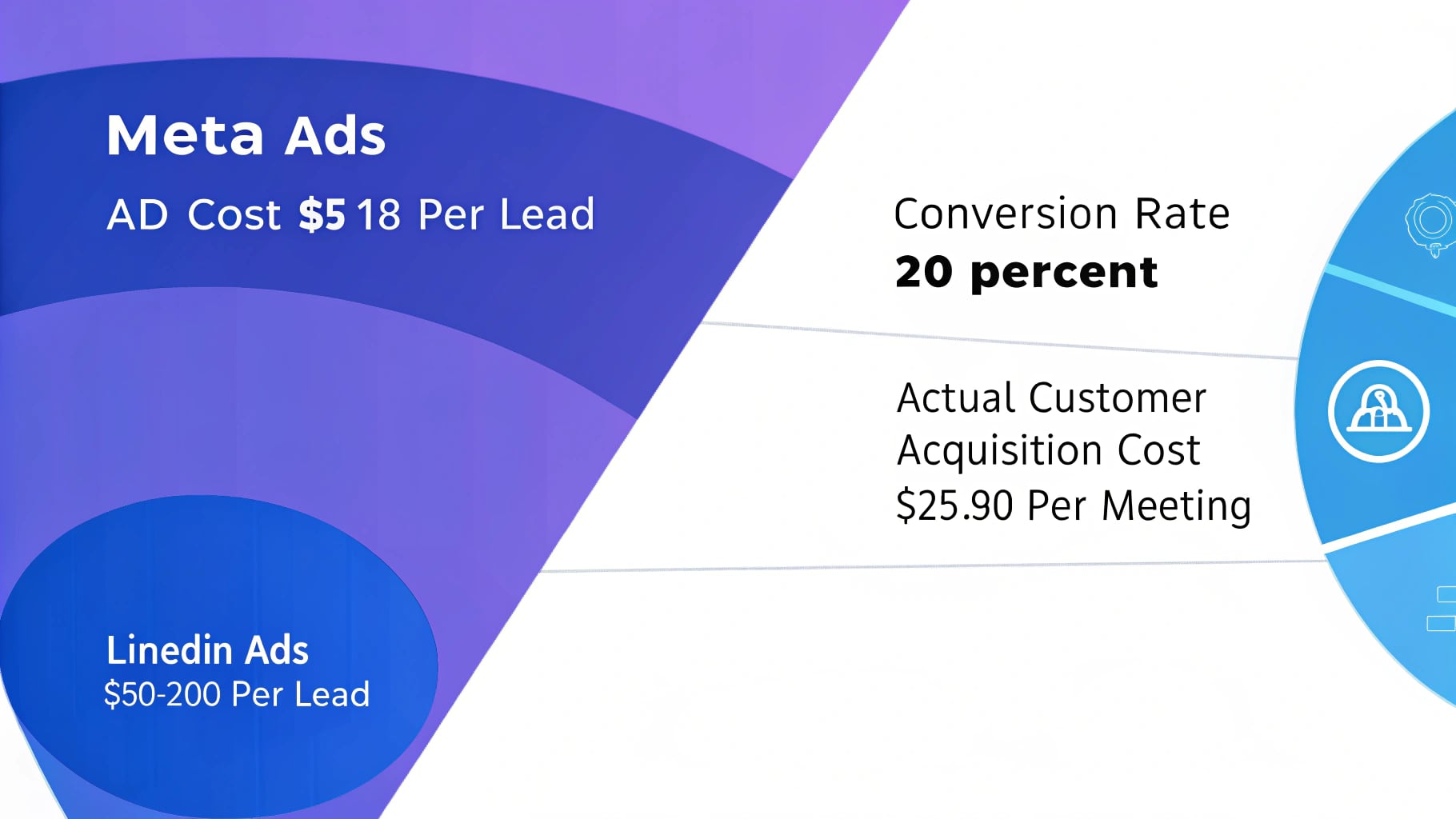
- Ad Cost: $5-18 per lead
- Conversion Rate: 20% (1 out of 5 leads converts to a sales meeting)
- Actual Customer Acquisition Cost: $25-90 per sales meeting
This cost is very low in the B2B space. In comparison, LinkedIn ads typically cost $50-200 per lead, and the conversion rate isn't necessarily higher.
But Meta Ads Aren't Everything
Although Meta ads are effective, they're not the only customer acquisition channel. I recommend:
- Multi-channel Layout: Meta ads + content marketing + cold emails + referrals
- Test and Optimize: Continuously test different ad creatives, targeting, landing pages
- Data-driven: Monitor key metrics (CPC, conversion rate, customer acquisition cost, etc.), continuously optimize
My Supplement: Automation Tools for Precise Leads
Although Meta ads are effective, costs still exist and require continuous investment. To reduce customer acquisition costs, I also use automation tools to acquire precise leads.
My approach:
- Use Meta ads to acquire "cold leads": Attract potential customers interested in the product through ads
- Use automation tools to acquire "hot leads": Find potential customers with clear needs through Google search, industry websites, etc.
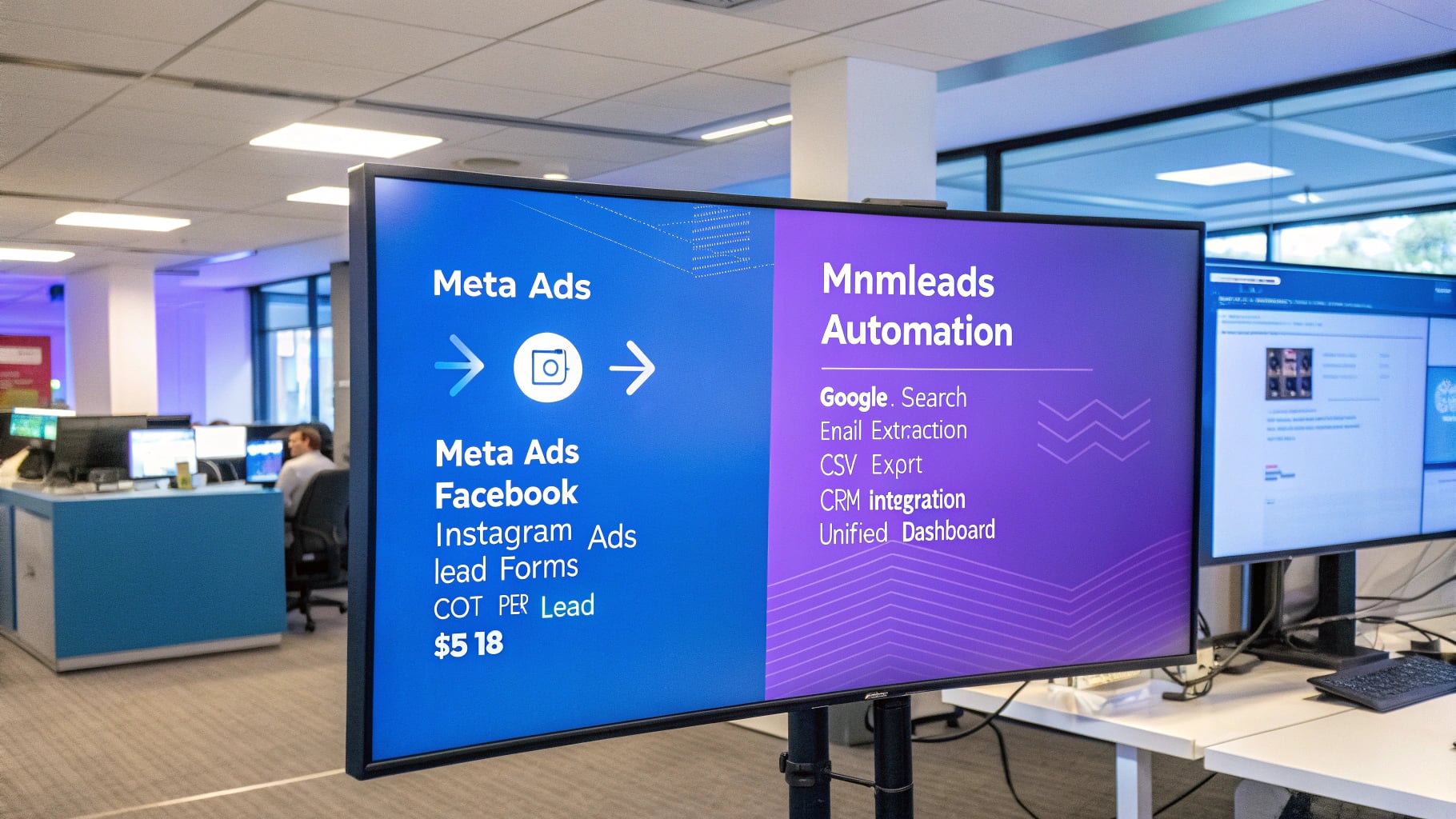
For automation tools, I chose mnmLeads. Why?
Advantage 1: Low Cost
Meta ads require continuous investment, $5-18 per lead. mnmLeads is a one-time cost that can acquire large numbers of precise leads, with average cost far lower than Meta ads.
Advantage 2: High Precision
Leads from Meta ads may not be precise enough and require subsequent screening. mnmLeads is based on Google advanced search syntax, can precisely target customers, with higher lead quality.
Advantage 3: Fully Automated
Meta ads require continuous optimization and management. mnmLeads runs fully automatically after setup, no manual intervention needed.
Advantage 4: Seamless CRM Integration
CSV files exported from mnmLeads can be directly imported into CRM systems, unified management with leads from Meta ads.
My recommendation: Use Meta ads + mnmLeads in combination. Meta ads acquire "cold leads", mnmLeads acquires "hot leads". Combined, you can ensure both quantity and quality.
Real Case: My Complete Process
Let me share a complete case:
Goal: Acquire 100 B2B leads for a SaaS product
Strategy:
- Meta Ads: Acquire 50 leads, cost approximately $500-900
- mnmLeads: Acquire 50 precise leads, cost approximately $50 (mnmLeads basic plan)
Result:
- Total Cost: $550-950
- Average Customer Acquisition Cost: $5.5-9.5 per lead
- Conversion Rate: 20% (20 sales meetings)
- Actual Customer Acquisition Cost: $27.5-47.5 per meeting
This cost is very competitive in the B2B space.
Conclusion: Meta Ads + Automation Tools = Best Combination
After years of practice, I've found: there's no perfect customer acquisition channel, only the most suitable combination.
My recommendation:
- Use Meta ads to acquire "cold leads": Attract potential customers interested in the product through ads, build brand awareness
- Use mnmLeads to acquire "hot leads": Find potential customers with clear needs through automation tools, improve conversion rates
- Unified Management: Import all leads into CRM systems, unified follow-up and management
This way, you can ensure both quantity and quality while controlling costs.
Most importantly: continuously test and optimize. There's no one-size-fits-all method. Only through continuous learning and improvement can you find the customer acquisition combination that best suits you.
Want to learn more? Check out mnmLeads pricing plans, start with the free version, and upgrade to more powerful plans anytime. Start your automated lead generation journey!